
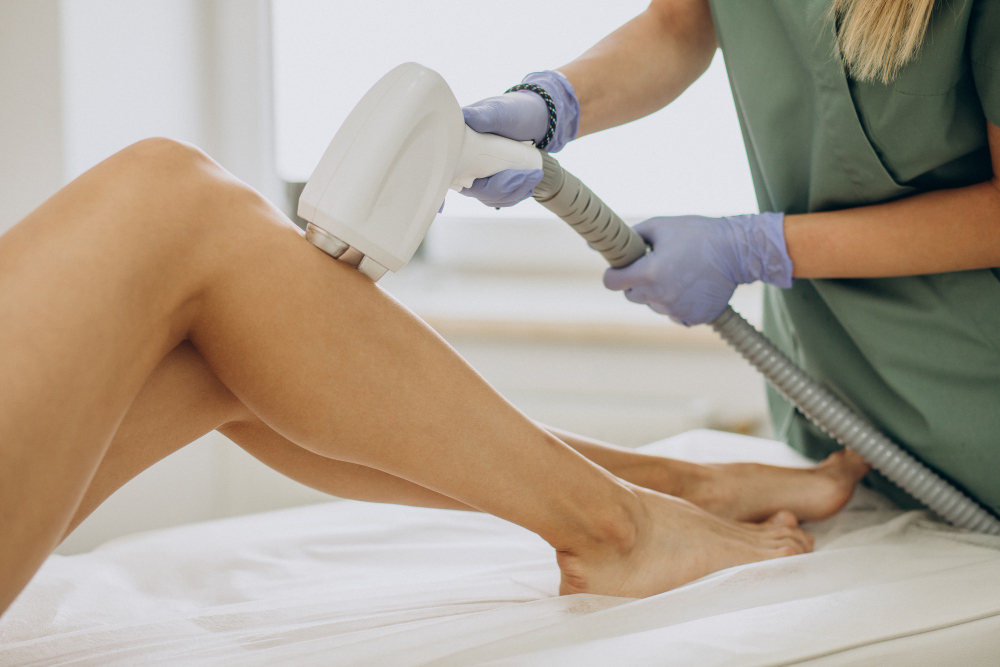
If you’ve been putting off laser hair removal because you’re worried it won’t suit your skin tone, you’re not alone. It’s one of the most common questions we hear at our unisex salon in Rajouri Garden — and the short answer is: yes, laser hair removal is safe for Indian skin, as long as it’s done with the right technology and by trained professionals.
Here’s what actually determines safety and results, so you can make an informed decision.
Why skin tone matters for laser hair removal
Laser hair removal works by targeting melanin — the pigment in your hair follicle. The laser heats the follicle and damages it enough to stop future hair growth. The challenge is that melanin is also present in your skin, not just your hair. On darker skin tones, older laser technology couldn’t always tell the difference between the hair and the surrounding skin, which sometimes led to burns, pigmentation, or uneven results.
This is why the type of laser used matters far more than your skin tone alone.
The right laser technology makes the difference
Most Indian skin falls in the medium to deep range on the Fitzpatrick skin scale. For this skin type, the safest and most effective options are:
- Nd:YAG lasers — these have a longer wavelength that passes through the top skin layer safely and targets the hair follicle with less risk of surface burns, making them well suited to Indian skin tones.
- Diode lasers — a strong middle-ground option, effective on most Indian skin types when calibrated correctly.
Older IPL (Intense Pulsed Light) machines are generally less predictable on darker skin and carry a higher risk of pigmentation changes. If a clinic can’t tell you which laser technology they use, that’s a red flag.
At our laser hair removal in Rajouri Garden studio, our technicians assess your skin tone and hair type before every session and calibrate the machine settings accordingly — this is the single biggest factor in a safe, effective treatment.
What affects safety and results, beyond skin tone
- Hair colour and thickness — laser works best on dark, coarse hair. Very light, grey, or fine hair responds less predictably regardless of skin tone.
- Technician training — incorrect intensity settings are the most common cause of side effects, not skin tone itself.
- Sun exposure before and after treatment — tanned or sunburnt skin is more reactive and increases risk, so we always advise avoiding direct sun for a few days before and after your session.
- Underlying skin conditions — conditions like active acne, eczema, or certain pigmentation disorders may need a modified approach, which is why an initial consultation matters.
- Consistency of sessions — spacing sessions correctly (usually 4-6 weeks apart) allows skin to recover fully and gives more even, safer results over time.
Common side effects (and when to worry)
Mild redness, slight swelling, or a warm sensation for a few hours after treatment is normal on any skin tone. What’s not normal: blistering, dark or light patches that don’t fade, or pain lasting more than a day. These are signs of incorrect laser settings, not a sign that “laser doesn’t work for Indian skin” — it usually means the treatment wasn’t calibrated properly.
This is why choosing an experienced clinic matters more than worrying about your skin tone in isolation.
Is it different for men and women?
Not in terms of safety — laser hair removal for men and laser hair removal for women in Delhi follow the same safety principles. The main differences are treatment areas (back and beard for men, for instance) and hair density, which can affect the number of sessions needed, not the safety profile.
How many sessions will you actually need?
Most people need 6-8 sessions spaced a month apart, since laser only works on hair in its active growth phase. Your technician will give you a realistic timeline based on your hair and skin during your first consultation.
What it costs
Laser hair removal cost in Delhi varies by treatment area and by clinic, depending on the technology used. Cheaper clinics using outdated machines may seem attractive on price but carry more risk on darker skin tones — it’s worth asking specifically what laser type you’ll be treated with before you book, anywhere you go.
Our recommendation
If you’re considering laser hair removal and have concerns about your skin tone, don’t skip the consultation step. A good clinic will do a patch test, explain the laser technology they use, and set realistic expectations before you commit to a package — that’s exactly how we handle it at Klaavee.
FAQs
Does laser hair removal cause dark spots on Indian skin?
Not when done correctly. Dark spots usually result from incorrect laser settings or sun exposure right after treatment, not from skin tone itself.
Which laser is best for Indian skin?
Nd:YAG and calibrated diode lasers are generally the safest and most effective for medium to deep skin tones.
Can I get laser hair removal if I tan easily?
Yes, but you’ll need to avoid sun exposure a few days before and after each session, and your technician may adjust settings accordingly.
Is laser hair removal permanent?
It significantly reduces hair growth long-term, though some maintenance sessions every year or two are common for most people.
Book a consultation
Considering laser hair removal? Visit Klaavee, the best salon in Rajouri Garden for hair, skin, and laser treatments, for a free skin and hair assessment before you commit to any package. Call now / WhatsApp us to book your slot.